Most people build a skincare routine and then stick with it year-round, wondering why their skin behaves differently in winter than in summer. The answer is almost always the same: the environment has changed, your skin has responded, and the routine hasn't caught up. Skin is a living organ that reacts to temperature, humidity, UV exposure, and central heating — and it needs different support in different conditions.
The first time I really paid attention to this, it changed how I approached everything else. Not dramatically — nothing shifted overnight — but gradually, the quality of the whole thing improved in ways I hadn't anticipated. That's usually how the good stuff works.
Summer to autumn: the shift
As humidity drops and central heating begins, the skin loses moisture faster. The lightweight gel moisturiser that felt perfect in August may feel insufficient by October. Transition to a richer cream formula. Add a hyaluronic acid serum before your moisturiser to draw and hold more water in the skin. Consider swapping your foaming cleanser (which can strip oils) for a cream or milk cleanser that preserves the skin barrier.
There's a version of this that most people do out of convenience, and a version that actually works. The gap between them is usually smaller than you'd expect — a few deliberate choices, a bit of advance thought, and suddenly the whole thing feels less like a compromise and more like something you genuinely chose.
"As humidity drops and central heating begins, the skin loses moisture faster. The lightweight gel moisturiser that felt ..."
Winter: the protection priority
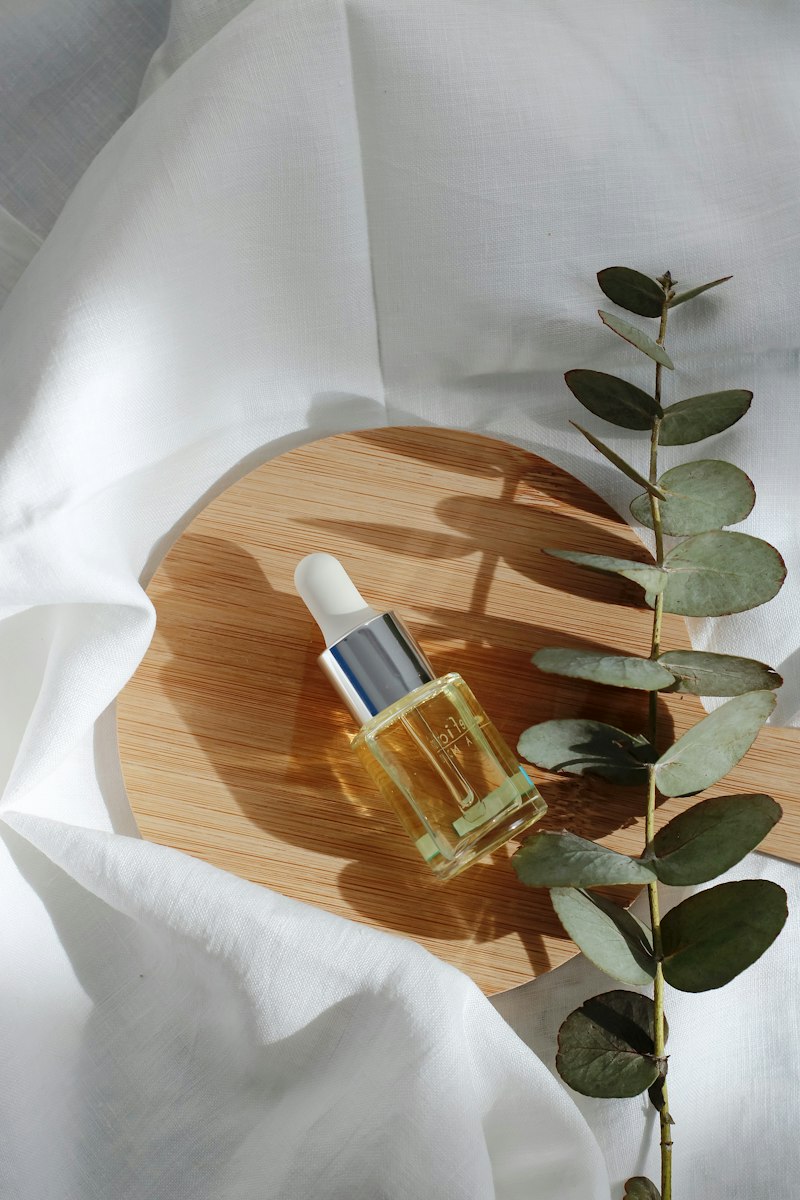
Cold air and indoor heating together create the most challenging conditions for skin. The barrier becomes compromised — which shows as redness, sensitivity, tightness, and flaking. Ceramide-rich products become essential: they physically repair the barrier rather than just hydrating the surface. A facial oil added to the moisturiser at night (or used as a final sealing layer) provides additional protection against moisture loss overnight.
A friend who's been doing this for years told me something that stuck: the details you ignore at the start always come back around. Not as disasters, usually, but as persistent low-grade frustrations that you keep blaming on other things. Getting the foundation right eliminates a whole category of annoyance.
Spring: the detox season
After the heavy products of winter, spring is the time to lighten up and reintroduce actives that may have been too harsh during sensitive winter skin. Vitamin C — excellent for brightening and antioxidant protection as UV exposure increases — can be reintroduced or increased. Exfoliation, which may have been reduced in winter, can be gently increased again as the skin barrier has recovered.
Think of it as building good defaults. Not rules, exactly — more like the path of least resistance that also happens to lead somewhere good. Once those defaults are in place, you don't have to think about them anymore. They just run.
"After the heavy products of winter, spring is the time to lighten up and reintroduce actives that may have been too hars..."
The signals your skin sends
Tight, flaky, or reactive skin is asking for more barrier support and moisture. Congested or breakout-prone skin may indicate that winter products are too heavy and not penetrating cleanly. Dull, uneven-toned skin is asking for more exfoliation and vitamin C. Listen to these signals and adjust accordingly — your skin will tell you what it needs if you pay attention.
There's a version of this that most people do out of convenience, and a version that actually works. The gap between them is usually smaller than you'd expect — a few deliberate choices, a bit of advance thought, and suddenly the whole thing feels less like a compromise and more like something you genuinely chose.
None of this requires a complete overhaul. The beauty of small, consistent improvements is that they compound over time in ways that sudden big changes never quite manage. Start with one thing. Get comfortable with it. Then add another.
The people who do this well aren't necessarily the most disciplined or the most informed. They're the ones who've stopped treating it as something to get through and started treating it as something to actually enjoy. That shift in framing is worth more than any single tip I could give you.
Products We Love For This
→ CeraVe Hydrating Cleanser for Normal Skin — Shop on Amazon
→ EltaMD UV Sport Broad-Spectrum SPF 50 — Shop on Amazon
This post contains Amazon affiliate links. If you purchase through our links we may earn a small commission at no extra cost to you. We only recommend products we genuinely rate.