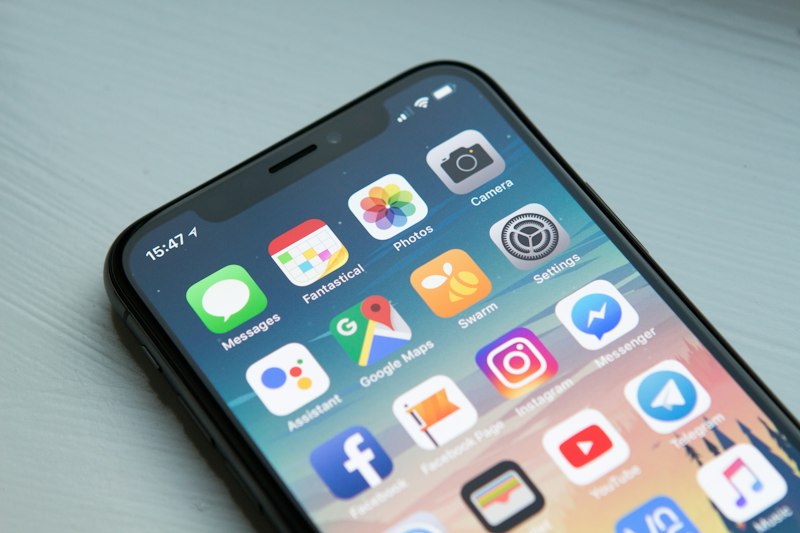
I try not to add apps to my life unless they solve a real problem or save meaningful time. These pass that test — and several of them have genuinely changed how I manage my days.
Let's be honest about this for a moment. It sounds simple on paper, and yet most people skip right past it without a second thought. The reason isn't laziness — it's usually habit, or the false sense that you already know what you're doing. But small adjustments here can change the entire experience.
For productivity and focus
Notion remains the most flexible productivity workspace available — equal parts notes app, project manager, and database. For deep focus, Freedom (the distraction-blocking app) is underrated and highly effective. The paid version, which syncs across devices, is worth the modest annual cost.
There's a version of this that most people do out of convenience, and a version that actually works. The gap between them is usually smaller than you'd expect — a few deliberate choices, a bit of advance thought, and suddenly the whole thing feels less like a compromise and more like something you genuinely chose.
"Notion remains the most flexible productivity workspace available — equal parts notes app, project manager, and database..."
For finance
YNAB (You Need a Budget) has the steepest learning curve of any budgeting app, and the most transformative impact once you get past it. If you've never felt truly in control of your money, this is the tool that changes that. For quick expense tracking, Copilot Money is an elegant alternative.
A friend who's been doing this for years told me something that stuck: the details you ignore at the start always come back around. Not as disasters, usually, but as persistent low-grade frustrations that you keep blaming on other things. Getting the foundation right eliminates a whole category of annoyance.
For reading and learning
Readwise Reader has become the best way to manage long-form reading across articles, newsletters, and RSS feeds — with built-in highlighting and note-taking that syncs to your other apps. For books, Libby connects to your public library and gives free access to thousands of ebooks and audiobooks.
Think of it as building good defaults. Not rules, exactly — more like the path of least resistance that also happens to lead somewhere good. Once those defaults are in place, you don't have to think about them anymore. They just run.
"Readwise Reader has become the best way to manage long-form reading across articles, newsletters, and RSS feeds — with b..."
For health
Oura Ring's companion app (if you have the ring) remains the best personal health tracking available. Without the hardware, Bearable is an excellent symptom and mood tracking app for anyone managing health conditions or wanting to understand patterns in how they feel.
There's a version of this that most people do out of convenience, and a version that actually works. The gap between them is usually smaller than you'd expect — a few deliberate choices, a bit of advance thought, and suddenly the whole thing feels less like a compromise and more like something you genuinely chose.
None of this requires a complete overhaul. The beauty of small, consistent improvements is that they compound over time in ways that sudden big changes never quite manage. Start with one thing. Get comfortable with it. Then add another.
The people who do this well aren't necessarily the most disciplined or the most informed. They're the ones who've stopped treating it as something to get through and started treating it as something to actually enjoy. That shift in framing is worth more than any single tip I could give you.
Products We Love For This
→ Blue Yeti USB Microphone Professional — Shop on Amazon
→ Samsung T7 1TB Portable SSD — Shop on Amazon
This post contains Amazon affiliate links. If you purchase through our links we may earn a small commission at no extra cost to you. We only recommend products we genuinely rate.