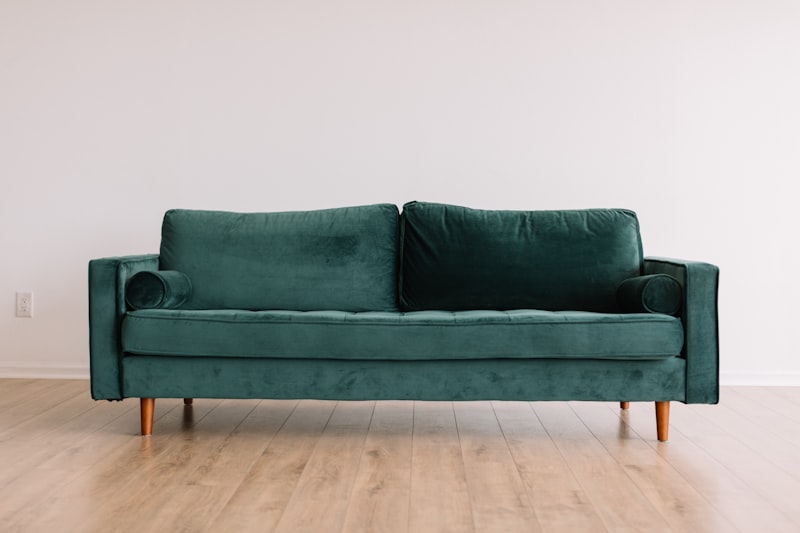
There's a reason the Scandinavian concept of hygge caught on so widely: it named something people had been quietly craving for years. A home that feels warm, safe, human, and unhurried. The opposite of the cold, curated aesthetic that dominated interior design for a decade. Here's how to build that feeling intentionally.
Worth mentioning: this isn't about doing more. If anything, it's about doing less, but doing it with more intention. That distinction matters more than it might seem.
Soft layers and texture
Cosiness is almost always tactile first. Chunky knit throws, velvet cushions, sheepskin rugs, soft cotton curtains — materials that invite touch create warmth even before you've sat down. Layer textures rather than matching them exactly. The imperfection is part of what makes it feel lived-in and real.
There's a version of this that most people do out of convenience, and a version that actually works. The gap between them is usually smaller than you'd expect — a few deliberate choices, a bit of advance thought, and suddenly the whole thing feels less like a compromise and more like something you genuinely chose.
"Cosiness is almost always tactile first. Chunky knit throws, velvet cushions, sheepskin rugs, soft cotton curtains — mat..."
Warm light at every level
Overhead lighting is the enemy of cosiness. Floor lamps, table lamps, candles, string lights — light placed at different heights and in warm tones (2700K or below) transforms the atmosphere of a room completely. The goal is pools of light, not even illumination.
A friend who's been doing this for years told me something that stuck: the details you ignore at the start always come back around. Not as disasters, usually, but as persistent low-grade frustrations that you keep blaming on other things. Getting the foundation right eliminates a whole category of annoyance.
Something living
Plants, flowers, a bowl of fruit — living things make spaces feel inhabited and cared for. They bring in scale, colour, and something that changes over time. Even one good houseplant in the right corner shifts the energy of a room.
Think of it as building good defaults. Not rules, exactly — more like the path of least resistance that also happens to lead somewhere good. Once those defaults are in place, you don't have to think about them anymore. They just run.
"Plants, flowers, a bowl of fruit — living things make spaces feel inhabited and cared for. They bring in scale, colour, ..."
Personal objects, thoughtfully placed
The most cosy homes are the most personal ones. Books you've actually read. Photographs of people you love. Objects that carry stories. These things communicate that the space belongs to someone specific — and that specificity is what makes a house feel like a home.
There's a version of this that most people do out of convenience, and a version that actually works. The gap between them is usually smaller than you'd expect — a few deliberate choices, a bit of advance thought, and suddenly the whole thing feels less like a compromise and more like something you genuinely chose.
None of this requires a complete overhaul. The beauty of small, consistent improvements is that they compound over time in ways that sudden big changes never quite manage. Start with one thing. Get comfortable with it. Then add another.
The people who do this well aren't necessarily the most disciplined or the most informed. They're the ones who've stopped treating it as something to get through and started treating it as something to actually enjoy. That shift in framing is worth more than any single tip I could give you.
Products We Love For This
→ StorageManiac Bamboo Storage Box Set — Shop on Amazon
→ Nearly Natural Faux Plant Arrangement Set — Shop on Amazon
This post contains Amazon affiliate links. If you purchase through our links we may earn a small commission at no extra cost to you. We only recommend products we genuinely rate.