The rented space presents a particular challenge: you want it to feel like home, but the lease says no nails in the walls, no painting over the magnolia, no structural changes of any kind. Most rental advice stops there and suggests you just cope. But there's a significant amount you can do within those constraints — and some of it is actually more interesting than the changes a homeowner would make.
Let's be honest about this for a moment. It sounds simple on paper, and yet most people skip right past it without a second thought. The reason isn't laziness — it's usually habit, or the false sense that you already know what you're doing. But small adjustments here can change the entire experience.
Textiles: the fastest transformation available
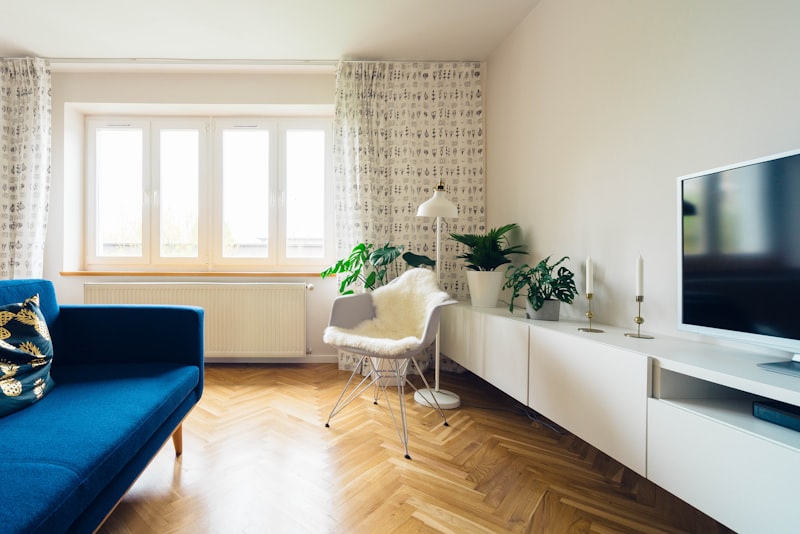
Rugs, curtains, cushions, throws, and tablecloths are entirely removable and they do more visual work than almost anything else in a room. Replacing the landlord's bare floor with a beautiful rug changes the room's entire atmosphere. Adding curtains that reach the ceiling (hung on tension rods that leave no marks) transforms a window. Layer, texture, and colour through fabric are your primary tools in a rental — and they're genuinely powerful ones.
There's a version of this that most people do out of convenience, and a version that actually works. The gap between them is usually smaller than you'd expect — a few deliberate choices, a bit of advance thought, and suddenly the whole thing feels less like a compromise and more like something you genuinely chose.
"Rugs, curtains, cushions, throws, and tablecloths are entirely removable and they do more visual work than almost anythi..."
Command strips and picture ledges
Art on the walls makes a space personal and alive. Command strips (used correctly — on clean, dry walls, with the weight limits respected) hold a remarkable amount without damage. Picture ledges resting on furniture or leaned against skirting boards sidestep the wall question entirely and actually look better than hung art in many contemporary interiors. You can have beautiful walls in a rental. It just requires different hardware.
A friend who's been doing this for years told me something that stuck: the details you ignore at the start always come back around. Not as disasters, usually, but as persistent low-grade frustrations that you keep blaming on other things. Getting the foundation right eliminates a whole category of annoyance.
Lighting: your most powerful rental intervention
Rental properties almost universally have harsh, unflattering overhead lighting. Adding floor lamps, table lamps, and string lights transforms the atmosphere completely — and all of it comes with you when you leave. Spend on one or two beautiful lamps. It is the rental investment with the highest return, and it follows you to every subsequent home.
Think of it as building good defaults. Not rules, exactly — more like the path of least resistance that also happens to lead somewhere good. Once those defaults are in place, you don't have to think about them anymore. They just run.
"Rental properties almost universally have harsh, unflattering overhead lighting. Adding floor lamps, table lamps, and st..."
Plants and the living element
Plants make every space feel more inhabited and more alive. They also make the air measurably better. Choose a few that suit your light conditions and your capacity for plant care honestly. Low-maintenance options — pothos, snake plants, ZZ plants, peace lilies — survive most conditions and most busy schedules. One large plant in the right corner can change a room as dramatically as a piece of furniture.
There's a version of this that most people do out of convenience, and a version that actually works. The gap between them is usually smaller than you'd expect — a few deliberate choices, a bit of advance thought, and suddenly the whole thing feels less like a compromise and more like something you genuinely chose.
None of this requires a complete overhaul. The beauty of small, consistent improvements is that they compound over time in ways that sudden big changes never quite manage. Start with one thing. Get comfortable with it. Then add another.
The people who do this well aren't necessarily the most disciplined or the most informed. They're the ones who've stopped treating it as something to get through and started treating it as something to actually enjoy. That shift in framing is worth more than any single tip I could give you.
Products We Love For This
→ Yankee Candle Large Classic Jar Candle — Shop on Amazon
→ Over Door Command Hooks Organizer Rack — Shop on Amazon
This post contains Amazon affiliate links. If you purchase through our links we may earn a small commission at no extra cost to you. We only recommend products we genuinely rate.