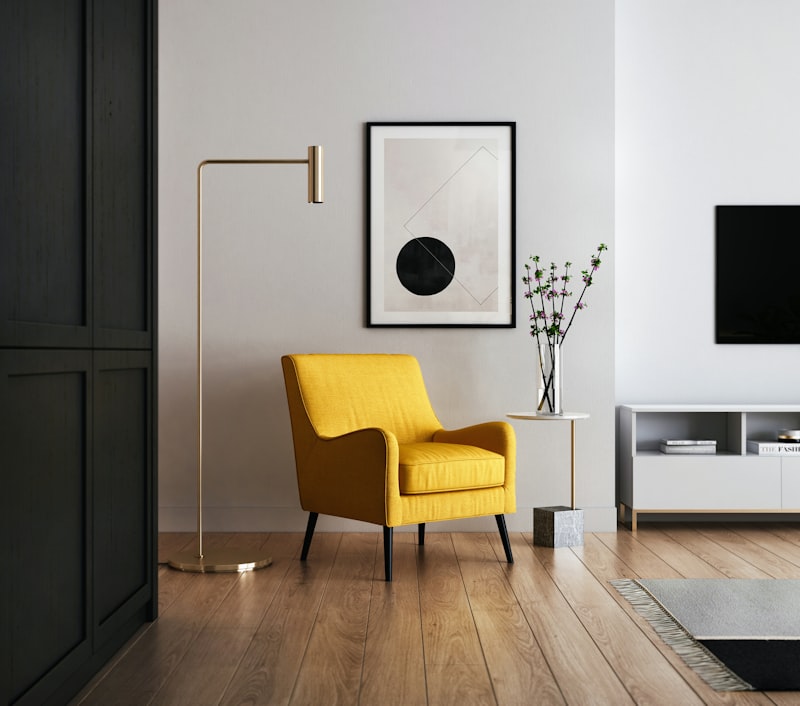
Every few years, the interior design world makes a collective pivot — and right now, we're in a fascinating moment. The cold, all-white aesthetic is giving way to something more layered, more personal, and considerably more interesting.
Let's be honest about this for a moment. It sounds simple on paper, and yet most people skip right past it without a second thought. The reason isn't laziness — it's usually habit, or the false sense that you already know what you're doing. But small adjustments here can change the entire experience.
Warm terracotta and earthy tones
The cool grey palette that dominated for years is being replaced by warm, grounded tones: terracotta, ochre, warm taupe, clay, and deep olive. These colours feel connected to the natural world in a way cool greys never quite managed, and they photograph beautifully, which doesn't hurt.
There's a version of this that most people do out of convenience, and a version that actually works. The gap between them is usually smaller than you'd expect — a few deliberate choices, a bit of advance thought, and suddenly the whole thing feels less like a compromise and more like something you genuinely chose.
"The cool grey palette that dominated for years is being replaced by warm, grounded tones: terracotta, ochre, warm taupe,..."
Curved and organic forms
Sharp angles are out, soft curves are in. Rounded sofas, arched doorways, bowl-shaped pendant lights, curved bookshelves. The inspiration is organic shapes — the kind found in nature — and the effect is furniture that invites you in rather than making a rigid statement.
A friend who's been doing this for years told me something that stuck: the details you ignore at the start always come back around. Not as disasters, usually, but as persistent low-grade frustrations that you keep blaming on other things. Getting the foundation right eliminates a whole category of annoyance.
Biophilic design going deeper
Plants were the first wave. Now it's going further: natural materials (rattan, jute, wood, linen), views into gardens prioritised in architecture, water features, living walls. The desire to bring the outside in isn't a trend so much as a genuine need being designed into homes.
Think of it as building good defaults. Not rules, exactly — more like the path of least resistance that also happens to lead somewhere good. Once those defaults are in place, you don't have to think about them anymore. They just run.
"Plants were the first wave. Now it's going further: natural materials (rattan, jute, wood, linen), views into gardens pr..."
The return of pattern
After years of restraint, pattern is back — on walls, on upholstery, on rugs. Maximalism is having a proper cultural moment, and interiors are reflecting it. The key is mixing patterns with intention rather than abandon: scale variation, a shared colour palette, and restraint in quantity.
There's a version of this that most people do out of convenience, and a version that actually works. The gap between them is usually smaller than you'd expect — a few deliberate choices, a bit of advance thought, and suddenly the whole thing feels less like a compromise and more like something you genuinely chose.
None of this requires a complete overhaul. The beauty of small, consistent improvements is that they compound over time in ways that sudden big changes never quite manage. Start with one thing. Get comfortable with it. Then add another.
The people who do this well aren't necessarily the most disciplined or the most informed. They're the ones who've stopped treating it as something to get through and started treating it as something to actually enjoy. That shift in framing is worth more than any single tip I could give you.
Products We Love For This
→ mDesign Bamboo Desk Organizer Set — Shop on Amazon
→ Hosley Ceramic Electric Wax Melt Warmer — Shop on Amazon
This post contains Amazon affiliate links. If you purchase through our links we may earn a small commission at no extra cost to you. We only recommend products we genuinely rate.