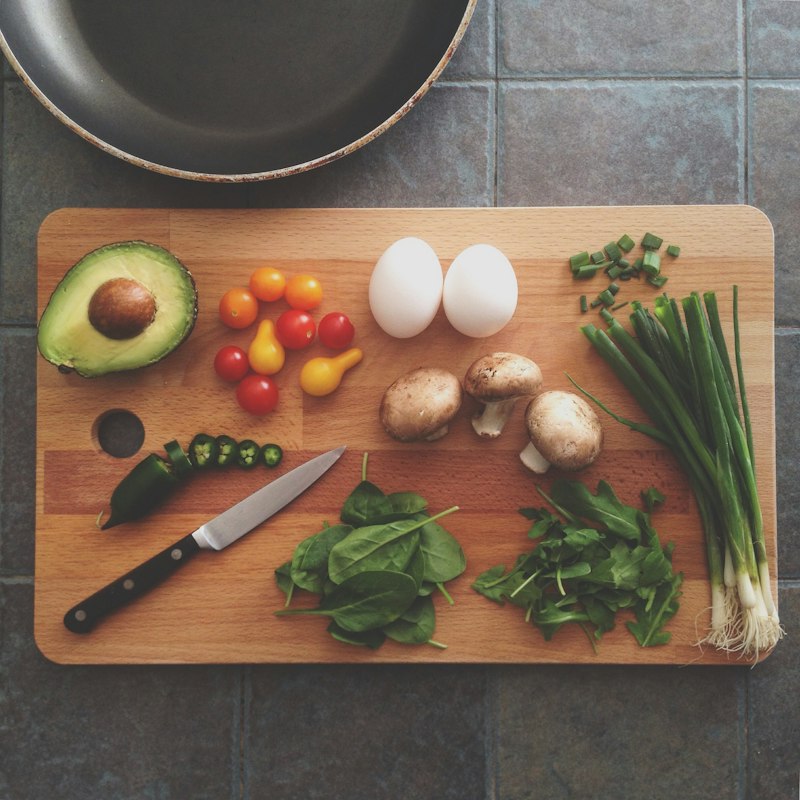
The single-person or two-person household spends a disproportionate amount of money on food waste — partly because of over-purchasing, partly because of packaging sizes not designed for small households, and partly because cooking smaller quantities requires different techniques than the family-sized portions most recipes assume. Getting this right saves money, reduces waste, and makes everyday cooking considerably more enjoyable.
Worth mentioning: this isn't about doing more. If anything, it's about doing less, but doing it with more intention. That distinction matters more than it might seem.
The component-cooking approach
Rather than cooking complete dishes, cook components that can be combined differently across several meals. Roasted vegetables. A batch of grains (farro, quinoa, rice). A protein cooked simply. Dressed separately, combined differently, given different sauces and seasonings — these components become three or four different meals across the week without any of them feeling like leftovers.
There's a version of this that most people do out of convenience, and a version that actually works. The gap between them is usually smaller than you'd expect — a few deliberate choices, a bit of advance thought, and suddenly the whole thing feels less like a compromise and more like something you genuinely chose.
"Rather than cooking complete dishes, cook components that can be combined differently across several meals. Roasted vege..."
Master the single-pan roast
A single portion of protein plus whatever vegetables need using, tossed with olive oil, salt, pepper, and whatever aromatics are to hand, roasted at 200°C for 25–35 minutes, is one of the most forgiving, variable, and delicious meals available to a single-person household. It generates minimal washing up and no waste. It works with almost any combination of ingredients. It never gets boring because the ingredients change.
A friend who's been doing this for years told me something that stuck: the details you ignore at the start always come back around. Not as disasters, usually, but as persistent low-grade frustrations that you keep blaming on other things. Getting the foundation right eliminates a whole category of annoyance.
The freezer as a waste-prevention tool
Bread going stale: slice and freeze. Half a tin of coconut milk: freeze in ice cube trays. Overripe bananas: freeze for smoothies or baking. Leftover stock: freeze in portions. A well-used freezer is one of the most effective anti-waste tools in a small household and one of the most underused. Almost anything can be frozen if prepared correctly.
Think of it as building good defaults. Not rules, exactly — more like the path of least resistance that also happens to lead somewhere good. Once those defaults are in place, you don't have to think about them anymore. They just run.
"Bread going stale: slice and freeze. Half a tin of coconut milk: freeze in ice cube trays. Overripe bananas: freeze for ..."
Buying differently
Loose vegetables rather than pre-packaged (buy exactly what you need). Whole ingredients rather than pre-prepared (half a cabbage goes further than a bag of pre-cut coleslaw mix). Smaller packages of expensive ingredients even if the per-unit cost is higher — the cost of waste always exceeds the cost of the smaller package. Shopping with a concrete meal plan rather than vague intentions dramatically reduces what gets thrown away.
There's a version of this that most people do out of convenience, and a version that actually works. The gap between them is usually smaller than you'd expect — a few deliberate choices, a bit of advance thought, and suddenly the whole thing feels less like a compromise and more like something you genuinely chose.
None of this requires a complete overhaul. The beauty of small, consistent improvements is that they compound over time in ways that sudden big changes never quite manage. Start with one thing. Get comfortable with it. Then add another.
The people who do this well aren't necessarily the most disciplined or the most informed. They're the ones who've stopped treating it as something to get through and started treating it as something to actually enjoy. That shift in framing is worth more than any single tip I could give you.
Products We Love For This
→ Natural Bamboo Storage Baskets Set of 3 — Shop on Amazon
→ Realistic Artificial Succulent Plant Decor — Shop on Amazon
This post contains Amazon affiliate links. If you purchase through our links we may earn a small commission at no extra cost to you. We only recommend products we genuinely rate.