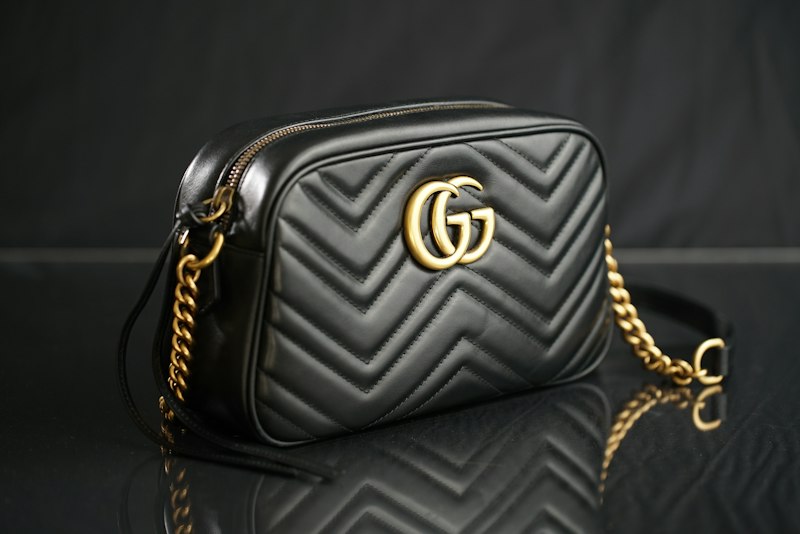
A bag is one of the few accessories that works across multiple outfits, multiple seasons, and multiple years if chosen well. The right bag doesn't just complete a look — it anchors it. But "right" is doing a lot of work in that sentence, and the handbag industry has a strong financial interest in making you believe that "right" changes every six months and costs considerably more than it should.
Let's be honest about this for a moment. It sounds simple on paper, and yet most people skip right past it without a second thought. The reason isn't laziness — it's usually habit, or the false sense that you already know what you're doing. But small adjustments here can change the entire experience.
The bags you actually need
An everyday structured tote or large shoulder bag — roomy enough for your actual life, in a leather or leather-look that wears well. A smaller crossbody or clutch for evenings or lighter days when you don't need to carry the world. A casual day bag — a canvas tote, a basket, something that goes with jeans and doesn't need to be protected. These three cover nearly everything.
There's a version of this that most people do out of convenience, and a version that actually works. The gap between them is usually smaller than you'd expect — a few deliberate choices, a bit of advance thought, and suddenly the whole thing feels less like a compromise and more like something you genuinely chose.
"An everyday structured tote or large shoulder bag — roomy enough for your actual life, in a leather or leather-look that..."
Where to invest: the everyday bag
The bag you carry every day takes the most wear and does the most visual work. This is the one worth spending on — quality leather, solid construction, classic shape that won't date. A well-made everyday bag from a quality brand will last five to ten years and look better with use. The cost-per-wear calculation makes it one of the most economical fashion investments available.
A friend who's been doing this for years told me something that stuck: the details you ignore at the start always come back around. Not as disasters, usually, but as persistent low-grade frustrations that you keep blaming on other things. Getting the foundation right eliminates a whole category of annoyance.
The logo question
Logo bags read differently in different contexts and age differently over time. An understated logo (tone-on-tone, small hardware) tends to outlast a loud one both stylistically and personally. If you're buying a logo bag, ask yourself: do I love this bag because of the design, or because of what the logo signals? One is a purchase with longevity. The other is a purchase with an expiry date.
Think of it as building good defaults. Not rules, exactly — more like the path of least resistance that also happens to lead somewhere good. Once those defaults are in place, you don't have to think about them anymore. They just run.
"Logo bags read differently in different contexts and age differently over time. An understated logo (tone-on-tone, small..."
Caring for your bags: the basics
Stuff leather bags with tissue when storing to hold the shape. Keep them in their dust bags away from light. Treat leather with a conditioner once or twice a year. Address scuffs when they happen rather than letting them accumulate. A bag that is cared for tells its own story — the kind of story that makes it look more beautiful with age, not less.
There's a version of this that most people do out of convenience, and a version that actually works. The gap between them is usually smaller than you'd expect — a few deliberate choices, a bit of advance thought, and suddenly the whole thing feels less like a compromise and more like something you genuinely chose.
None of this requires a complete overhaul. The beauty of small, consistent improvements is that they compound over time in ways that sudden big changes never quite manage. Start with one thing. Get comfortable with it. Then add another.
The people who do this well aren't necessarily the most disciplined or the most informed. They're the ones who've stopped treating it as something to get through and started treating it as something to actually enjoy. That shift in framing is worth more than any single tip I could give you.
Products We Love For This
→ Belt and Tie Rack Organizer Hanger — Shop on Amazon
→ Purse Organizer Insert for Handbags — Shop on Amazon
This post contains Amazon affiliate links. If you purchase through our links we may earn a small commission at no extra cost to you. We only recommend products we genuinely rate.