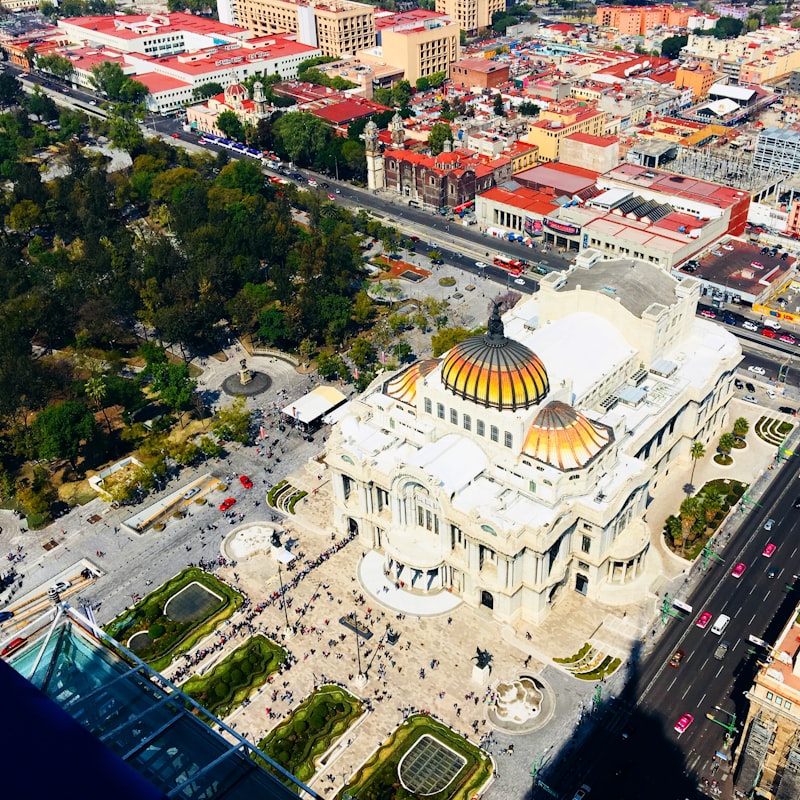
"I came to Mexico City for a weekend. I stayed for three weeks. This is not an unusual story."
There is something about Mexico City that does not translate into photographs. The scale of it, first of all — a city of more than 20 million people sprawling across a high-altitude valley, at once chaotic and navigable, overwhelming and intimate. The texture: peeling facades painted in colors you'd never choose but can't stop looking at. The smell: corn tortillas, diesel, incense, flowers, the particular sharpness of altitude air. The food, which is not "Mexican food" in any version of that phrase you think you understand but is instead one of the most complex, ancient, and alive culinary cultures on earth.
Mexico City has been "the next great destination" for about a decade now. What's changed in 2026 is that the infrastructure has finally caught up with the reputation. Boutique hotels have proliferated in the best neighborhoods. The restaurant scene has matured into something genuinely world-class. The arts community — always extraordinary — has become more accessible to international visitors. And the solo female travel community has grown familiar enough with CDMX to have mapped it in loving detail.
This guide is not a list of things to photograph. It's a guide to actually experiencing one of the most interesting cities on earth.
Understanding Mexico City's Neighborhoods
Mexico City is not one city — it's many, layered over centuries of history and stitched together by a metro system that is, against all expectations, genuinely excellent. The neighborhood you choose as your base will largely determine the version of CDMX you experience. Choose thoughtfully.
Roma Norte & Condesa
Tree-lined streets, art deco apartment buildings, the finest coffee in the city, and a concentration of excellent restaurants per square block that may be unmatched anywhere in Latin America. This is where the creative class lives — writers, architects, chefs, artists. Stay here if you can.
Centro Histórico
The historic heart of the city, built on the ruins of the Aztec capital Tenochtitlán. Extraordinary architecture, world-class museums, the chaos of a living Latin American metropolis at full volume. Stay here for the density of experience; leave for quieter neighborhoods when you need recovery.
Polanco
The upscale neighborhood: wide boulevards, luxury hotels, excellent restaurants, and some of the city's best galleries. More formal than Roma/Condesa, easier in some ways for first-time visitors. The Museo Soumaya is here — don't skip it.
Coyoacán
Further from the center, quieter, and entirely different in character — colonial architecture, cobblestone streets, the extraordinary Frida Kahlo Museum (the Casa Azul), and a weekend market that is one of the best afternoons you can spend in the city. Day trip or weekend base.
What to Eat in Mexico City
The food is the non-negotiable reason to visit. Not Mexican food as an abstraction, but the specific, irreplaceable experience of eating in a city where culinary tradition goes back thousands of years and where the best meals often cost less than a sandwich in New York.
Eat at the markets. Mercado de Jamaica for flowers and street food. Mercado de la Merced for the sheer density of produce, spice, and sensory input. Mercado Roma for the more curated, international-friendly version. All are extraordinary and all are essential.
Eat tacos from the taqueria that has a line. The line is always the sign. Eat at whatever restaurant requires a reservation two weeks in advance — the city's serious restaurants are genuinely extraordinary and the prices, by global comparison, are remarkable. Eat your way through the different regional moles at a traditional cantina. Drink mezcal — proper mezcal, explained by someone who knows it — at least once.
The breakfast revelation
Breakfast in Mexico City deserves its own paragraph. Chilaquiles at a neighborhood joint with salsa verde and crema. Tamales from a morning vendor outside a metro station. Café de olla — coffee brewed with cinnamon and piloncillo — at a table in a courtyard with morning light. These are the mornings that make the entire trip.
Arrive Looking the Part
Mexico City is a stylish city — the residents of Roma Norte and Condesa are some of the most effortlessly well-dressed people on earth. Arriving with a few versatile, elegant pieces that work from neighborhood wandering to dinner reservations means you move through the city with confidence rather than feeling underdressed for its energy. Airport to evening, the right pieces make all the difference.
Shop Airport Fashion Pieces →Safety in Mexico City: The Honest Conversation
Mexico City has a complicated safety reputation that, for the neighborhoods most travelers visit, does not match the daily reality. Roma Norte, Condesa, Polanco, and the better parts of the Centro are as safe as any major European city — which is to say, not without risk, but perfectly navigable with common sense and awareness.
The rules that apply everywhere apply here: stay aware of your surroundings, don't display expensive electronics unnecessarily, use Uber or the metro rather than street taxis hailed at random, stay in the better-known neighborhoods especially at night, and follow local knowledge. Ask your hotel for neighborhood-specific guidance — this matters more in CDMX than in most cities.
The travelers who have the most difficulty in Mexico City are usually those who ignored these basics because the city felt so comfortable and familiar that they forgot to stay present. The travelers who have extraordinary experiences in Mexico City — which is the majority — are those who did their research, moved with awareness, and let the city be itself.
Stay Connected and Charged
In a city this large and this navigable by app — Uber, metro apps, Google Maps — a dead phone is a genuine inconvenience. A compact portable charger in your bag means you're never navigating CDMX without a working phone. This is the investment that pays off on the first day and continues to pay off every day after.
Shop Portable Chargers →The Culture: Museums, Art, and the Creative City
The Museo Nacional de Antropología is one of the great museums of the world — not just in Latin America, but globally. Plan at least half a day, possibly a full day. The pre-Columbian collection is humbling in its breadth and the building itself, designed by Pedro Ramírez Vázquez around a stunning central courtyard, is an architectural masterpiece.
The Casa Azul in Coyoacán — Frida Kahlo's home and studio — is one of those rare museum experiences that makes you understand an artist rather than simply observe their work. The blue walls, the garden, the studio left as it was. Allow more time than you think you'll need.
The Museo Soumaya in Polanco houses one of the most eclectic private art collections in the world — Rodin, Dalí, colonial religious art, modern Mexican painting — in a building that is itself a work of art. Free admission. Extraordinary collection. One of CDMX's best half days.
The Carry-On for a City This Big
Mexico City rewards the traveler who moves lightly and with organization. A structured carry-on keeps everything accessible — documents, essentials, the small purchases you'll inevitably make at the markets — without the chaos of a disorganized bag. If you're arriving from a longer journey, a great carry-on paired with a good packing system makes the transition from airport to neighborhood seamless.
Shop Carry-On Luggage →Practical Information for 2026
Getting there: Mexico City's Benito Juárez International Airport (MEX) serves direct flights from most major North American and European cities. The newer Felipe Ángeles International Airport (NLU) handles additional capacity; confirm which airport your flight uses and allow appropriate transfer time.
Getting around: The Mexico City Metro is genuinely excellent — clean, safe during daytime, and extraordinarily affordable. Uber is widely available and reliable for longer distances or evenings. Avoid street taxis hailed without an app; this is universal advice in CDMX.
When to visit: The dry season — November through May — is generally the most comfortable. March and April before the rains is particularly beautiful. Avoid the major holiday weeks (Christmas/New Year, Semana Santa) unless you specifically want that energy; the city is very crowded and prices increase sharply.
Language: Spanish is essential for the best experiences. Even minimal Spanish — greetings, "please," "thank you," basic ordering — is received warmly and opens doors. In Roma and Condesa, English is widely spoken; elsewhere in the city, much less so.
Frequently Asked Questions
Is Mexico City safe for solo female travelers?
In the major travel neighborhoods — Roma, Condesa, Polanco, Coyoacán — yes, with the same common-sense precautions you'd apply in any major city. Research neighborhood-specific guidance, use apps for transportation, stay aware of your surroundings, and follow recommendations from your accommodation. The majority of solo female travelers to CDMX have extraordinary experiences.
How many days do you need in Mexico City?
A minimum of five days to experience the highlights without rushing. Seven to ten days allows you to move at a proper pace — a day in Coyoacán, a day at the major museums, time for just wandering the markets and neighborhood streets. The city rewards the traveler who stays.
What's the best neighborhood to stay in?
Roma Norte or Condesa for most first-time visitors. Both offer excellent restaurant and café access, good walkability, and the concentrated experience of the best of contemporary CDMX culture. Polanco is a good alternative for those who prefer a more formal, upscale environment.
Do I need a visa for Mexico City?
Citizens of the US, Canada, UK, EU, and most other Western nations do not need a visa for tourist stays in Mexico. You will receive a tourist card (FMM) on arrival; keep it carefully — you will need it when you leave. Always check current entry requirements before traveling.
Suggested Pinterest Titles
- Mexico City Travel Guide 2026 — What Nobody Tells You
- Best Neighborhoods in CDMX for First-Time Visitors
- Solo Female Travel in Mexico City — Safety, Tips & Magic
- What to Eat in Mexico City (The Non-Tourist Guide)
- How to Pack for Mexico City — Carry-On Essentials
- CDMX in 7 Days — The Itinerary Worth Following