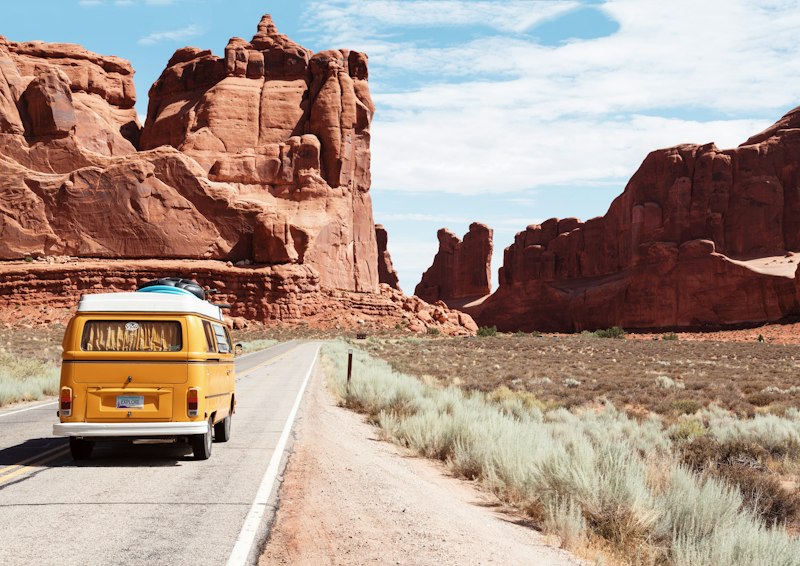
I've done road trips that felt like the best decision I'd ever made and ones that felt like a slow punishment for poor planning. The difference, almost every single time, was preparation. Not over-preparation — a car crammed with every possible contingency is its own kind of misery — but the right things, chosen with thought.
Let's be honest about this for a moment. It sounds simple on paper, and yet most people skip right past it without a second thought. The reason isn't laziness — it's usually habit, or the false sense that you already know what you're doing. But small adjustments here can change the entire experience.
Navigation: belts and suspenders
Download your route offline before you leave. Mobile signal is wonderfully unreliable in exactly the places road trips take you. A physical map — yes, an actual paper map — for the general region is worth having for the moments your phone dies, your charger cable frays, or you simply want to understand where you are in a bigger sense than GPS provides.
There's a version of this that most people do out of convenience, and a version that actually works. The gap between them is usually smaller than you'd expect — a few deliberate choices, a bit of advance thought, and suddenly the whole thing feels less like a compromise and more like something you genuinely chose.
"Download your route offline before you leave. Mobile signal is wonderfully unreliable in exactly the places road trips t..."
The car kit nobody thinks about until they need it
A phone charger that plugs into the car (two, if there are multiple people). A reusable water bottle per person — not a convenience store bottle, something that holds temperature. A car-sick bag, tucked discreetly somewhere accessible. A small first aid kit. A torch. Jumper cables if you're driving somewhere remote. A blanket per person. You will probably never need most of this. The one time you do, you'll be endlessly grateful.
A friend who's been doing this for years told me something that stuck: the details you ignore at the start always come back around. Not as disasters, usually, but as persistent low-grade frustrations that you keep blaming on other things. Getting the foundation right eliminates a whole category of annoyance.
Food and drink: the decision that saves your sanity
A cooler with proper ice or ice packs, packed with real food and decent snacks, means you're not dependent on motorway service stations for every calorie. Cheese, good bread, fruit, nuts, water and something enjoyable to drink — this turns every stop into a small pleasure rather than a logistical necessity.
Think of it as building good defaults. Not rules, exactly — more like the path of least resistance that also happens to lead somewhere good. Once those defaults are in place, you don't have to think about them anymore. They just run.
"A cooler with proper ice or ice packs, packed with real food and decent snacks, means you're not dependent on motorway s..."
Entertainment and atmosphere
Build the playlist before you go. Download podcasts and audiobooks for the long stretches. Have a physical book for passenger reading. A road trip is partly about the conversation and partly about the comfortable silence — the right audio environment shapes both.
There's a version of this that most people do out of convenience, and a version that actually works. The gap between them is usually smaller than you'd expect — a few deliberate choices, a bit of advance thought, and suddenly the whole thing feels less like a compromise and more like something you genuinely chose.
The most important thing to pack
Flexibility. The best road trip moments are almost always unplanned — the sign for something that looked interesting, the town you stayed in an extra day because you loved it, the sunset that made you pull over for twenty minutes. Leave room in the schedule for the schedule to break. That's where the memories live.
A friend who's been doing this for years told me something that stuck: the details you ignore at the start always come back around. Not as disasters, usually, but as persistent low-grade frustrations that you keep blaming on other things. Getting the foundation right eliminates a whole category of annoyance.
"Flexibility. The best road trip moments are almost always unplanned — the sign for something that looked interesting, th..."
None of this requires a complete overhaul. The beauty of small, consistent improvements is that they compound over time in ways that sudden big changes never quite manage. Start with one thing. Get comfortable with it. Then add another.
The people who do this well aren't necessarily the most disciplined or the most informed. They're the ones who've stopped treating it as something to get through and started treating it as something to actually enjoy. That shift in framing is worth more than any single tip I could give you.
Products We Love For This
→ Anker 26800mAh Portable Charger Power Bank — Shop on Amazon
→ Eagle Creek Pack-It Compression Cube Set — Shop on Amazon
This post contains Amazon affiliate links. If you purchase through our links we may earn a small commission at no extra cost to you. We only recommend products we genuinely rate.